
Which Perfume Notes Last the Longest? Vanilla, Musk, Woods, Amber and Beyond
Which Perfume Notes Last the Longest? Vanilla, Musk, Woods, Amber and Beyond
A bright citrus opening can disappear before lunch, while a soft amber trace lingers on a scarf for days. That contrast is real, yet it does not mean every vanilla, musk or woody perfume will outlast every fresh one. Longevity is built from material volatility, dosage, the surrounding accord, the product base, skin and climate.
Key takeaway: Vanilla, musks, woods, amber materials and resinous notes often support the longest drydown because many are less volatile or are used to give a formula persistence. Their presence alone does not guarantee a long-wearing perfume. A well-built composition, concentration and application format decide how that persistence is experienced.
For a wearer, the useful question is less “Which note wins?” and more “Which scent structure fits the way I want the fragrance to develop?” For a brand, that question becomes a formulation brief: desired first impression, hours of wear, application base, climate, target price and the market where the product will be sold.
Why some perfume notes stay after others fade
Perfumers often describe a fragrance as an opening, a heart and a drydown. This is a useful map, though it is not a rigid rule. Materials evaporate and interact at different speeds. Light citrus, green and many aromatic materials can create an immediate lift. Less volatile materials can remain noticeable later, helping the fragrance feel deeper, warmer or closer to the skin.
“Lasting” also has two meanings. A scent can remain detectable at close range while projecting very little. Another perfume may create a striking cloud for the first hour, then become quiet. The first is often persistent; the second is often more diffusive at the start. Neither result is automatically better.
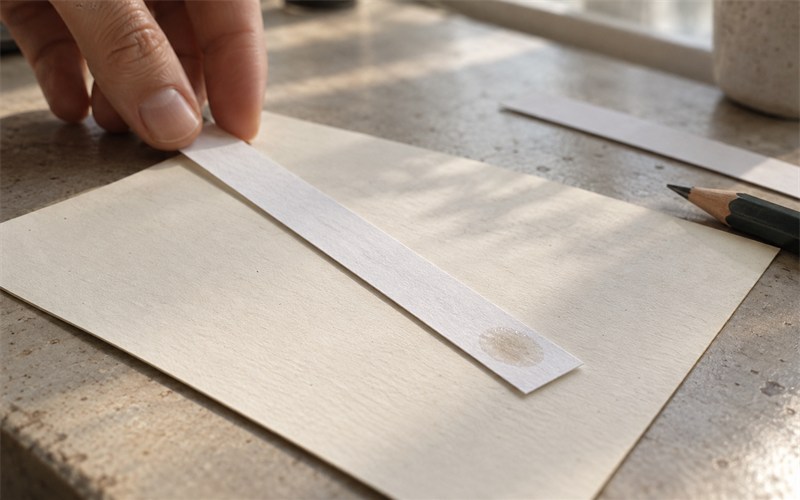
Notes that commonly support a long drydown
| Note family | How it often reads | Why it can feel persistent | Useful caution |
|---|---|---|---|
| Vanilla and balsamic notes | Sweet, creamy, warm | They can give body and a slow, edible warmth to the drydown. | Too much can make a formula dense or mask lighter details. |
| Musks | Soft, skin-like, clean or powdery | Often used for substantivity and a lingering skin scent effect. | Some musks are intentionally quiet, so persistence may not equal projection. |
| Woods | Dry, creamy, pencil-like, smoky or velvety | Woody materials can anchor an accord and extend its structural presence. | “Woody” covers many very different materials and performances. |
| Amber materials | Warm, mineral, resinous, radiant | They often build depth and a long, diffusive drydown. | Amber is an accord family, not a single ingredient. |
| Resins and balsams | Incense-like, syrupy, leathery or dark | They can add weight, warmth and slow-moving character. | Color, solubility and regulatory limits may matter in finished products. |
The table is a starting point, not a performance guarantee. A sheer musk fragrance can feel transparent from the first spray. A vanilla accord can be airy if it is used sparingly and surrounded by fresh materials. Conversely, a citrus scent can still have impressive longevity when a perfumer gives it a durable woody, musk or amber foundation.
Vanilla: warmth that can stay visible for hours
Vanilla effects are often associated with comfort, sweetness and a rounded base. Vanillin itself is a familiar example of a low-volatility aromatic material; the PubChem record for vanillin lists a very low vapor-pressure value at 25°C. In a perfume, that physical property is only one part of the story. The material’s dose, its partners and the formula’s solvent system shape what a wearer notices.
A vanilla-led drydown can support gourmand, amber, floral and woody ideas. It is particularly useful when a brief asks for a soft trail rather than a sharp opening. Brands should decide whether they want a dessert-like impression, a dry vanilla wood effect or a subtle creamy background. Those are different directions and require different balancing materials.
Musks, woods and amber: three different routes to persistence
Musks often make a fragrance feel like it has settled into the wearer’s skin. Some are clean and cotton-like; others are warmer, fruitier or more animalic in character. Their value is frequently less about a dramatic note and more about cohesion. They can soften sharp edges, fill gaps in the accord and keep the drydown from feeling empty.
Woody materials can add a dry frame, creamy volume or a darker smoky contour. Cedar-like facets, sandalwood-style creaminess and modern transparent woods do not perform in the same way. A good fragrance brief names the desired texture, not simply “wood.” This helps a perfumer choose between a crisp pencil-shaving effect, a smooth warm wood or a radiant mineral structure.
Amber is similarly broad. It can refer to a golden labdanum-like resinous idea, an ambery woody structure, or a modern mineral warmth. Many amber accords stay memorable because they combine several base materials that reinforce one another. The result can be long-lasting and expansive, though the final character depends on dosage and the rest of the composition.
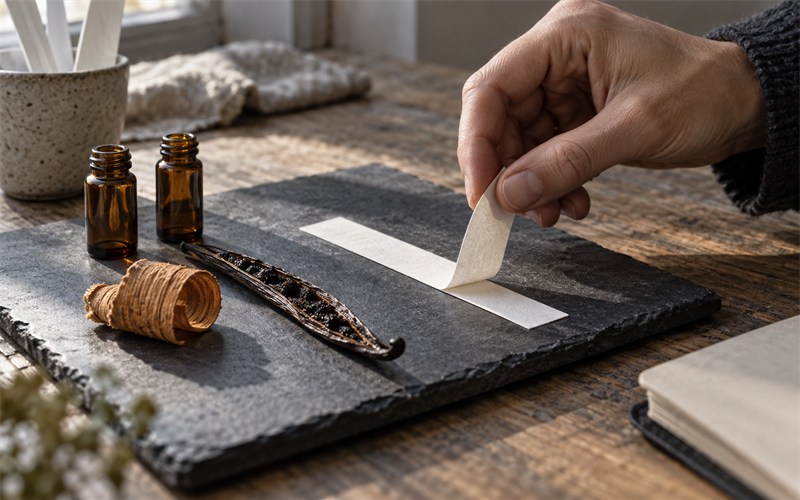
What can make a “long-lasting” perfume disappear quickly
Concentration matters, yet it is not the only lever. An eau de parfum may contain more fragrance concentrate than an eau de toilette, but a fresh eau de parfum can still feel shorter than a dense woody eau de toilette. Alcohol level, oil content, spray pattern, skin moisture, weather and olfactory fatigue all change the perceived result.
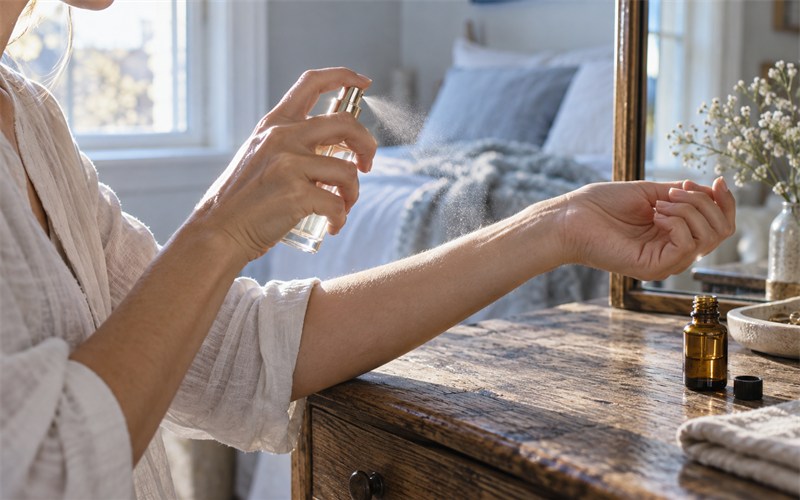
Common misconception: If you stop smelling your own perfume, the fragrance has necessarily vanished. The nose adapts quickly to familiar odor. Ask for a second person’s impression, check fabric separately from skin, or return to the scent after a short break.
For product developers, the base deserves the same attention as the fragrance concentrate. A perfume oil, water-based mist, body lotion, candle and detergent all release fragrance differently. Test the real formula in the real package. Look for odor development, clarity, discoloration, separation, spray behavior and the scent after realistic storage conditions.
How to choose a fragrance for the type of longevity you want
- Want a close, soft skin scent? Explore clean musks, creamy woods, gentle amber and a less explosive opening.
- Want a noticeable evening trail? Consider a balanced amber, resin, vanilla or woody structure with enough lift in the top and heart.
- Want freshness that survives the opening? Keep citrus or aromatic facets, then support them with persistent musks, woods or amber materials.
- Developing for hot weather? Test whether a rich oil or resinous base becomes too dense, and assess performance in the expected climate.
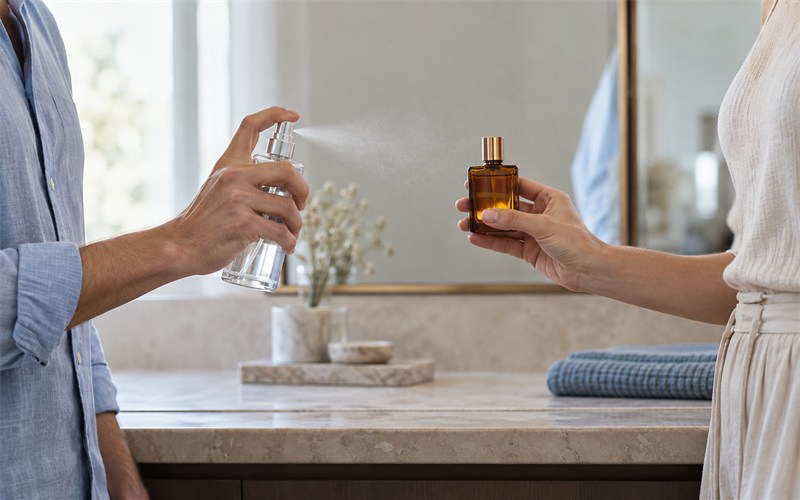
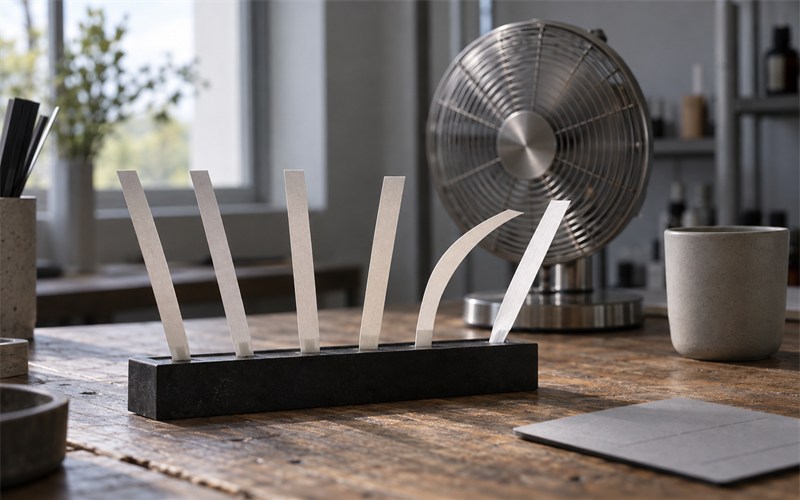
For fragrance buyers: request evaluations at several time points rather than asking only whether a sample “lasts long.” A useful sample sheet records the opening, one-hour character, mid-wear, drydown, projection, skin feel and any change in the intended product base. This gives the development team something concrete to adjust.
Compliance and formulation still set the boundary
Persistent materials need the same responsible review as every other part of a fragrance formula. The IFRA Standards use intended end-use categories when setting restrictions or specifications for relevant materials. A material that works in one format cannot simply be carried into another at the same level without checking the complete formula and intended application.
That is why a long-lasting claim should be developed through samples, stability work and documentation rather than a list of fashionable base notes. For the roles of common supplier documents, see Scentake’s guide to SDS, IFRA Certificates and COAs.
Questions people often ask
Does vanilla always make perfume last longer?
No. Vanilla materials often contribute to a lasting drydown, yet performance depends on the dosage, other materials, concentration, base and use conditions. A small amount may add roundness without becoming a dominant note. A well-structured fresh perfume can also last when its base is designed for persistence.
Are musk perfumes stronger than woody perfumes?
Neither family is uniformly stronger. Some musks are deliberately subtle and skin-like, while some woody materials have pronounced radiance. The scent’s overall formula and the wearer’s perception matter more than a single note-family label.
Do perfume oils last longer than sprays?
Perfume oils often evaporate more slowly and can remain close to the skin, while alcohol sprays may give a brighter opening and wider initial diffusion. The best choice depends on the desired ritual, climate, fragrance profile and packaging. Our guide to alcohol-free perfume formats explains the format tradeoffs in more detail.
Build the drydown into the brief
A durable perfume is usually designed as a journey, not assembled from a checklist of “strong” notes. Describe the scent you want at the first spray, after several hours and on fabric the next day. Then test that journey in the actual base and package. Scentake’s custom fragrance development process can help translate those checkpoints into samples, formula evaluation and the documentation needed for the intended product category. To start a project, share your product format, target market, scent direction and performance goal through our contact page.